A Live USB will let you run an operating system off of a USB drive, so you can try a operating system without a partition, or carry a favorite one with you, or have an emergency backup in case your computer crashes. In this Instructable, I will be showing you how to create such a USB drive.
It's a beginner friendly tutorial, and assumes you know the basics of computer navigation, but if you are familiar with computers, you should be able to follow the abridged version I have at the second to last step. There are a lot of different softwares out there to do this, so I've tried out a bunch and I'm bringing two good ones to you.
I will also be showing you some notable Linux operating systems you can get for free. Finally, I will be showing you how to actually use the USB Drive to start the computer and run your new operating system.
Let's get started! Step 1: What We'll Need. In order to begin, we will need a couple of things: - A USB Drive of at least 4 gigs (more if you want to carry more than one operating system) - A software to put the operating system onto the USB (see next step). - A computer to load the files onto the USB - A computer to control (this can be the computer you are loading the USB with) - An operating system (More later- I have some suggestions) If you need a free and reliable operating system, a version of Linux is the way to go. There are a lot of different versions of Linux (dubbed 'Flavors' or 'Distributions', often shortened to 'Distros'). Step 2: Getting the Software.
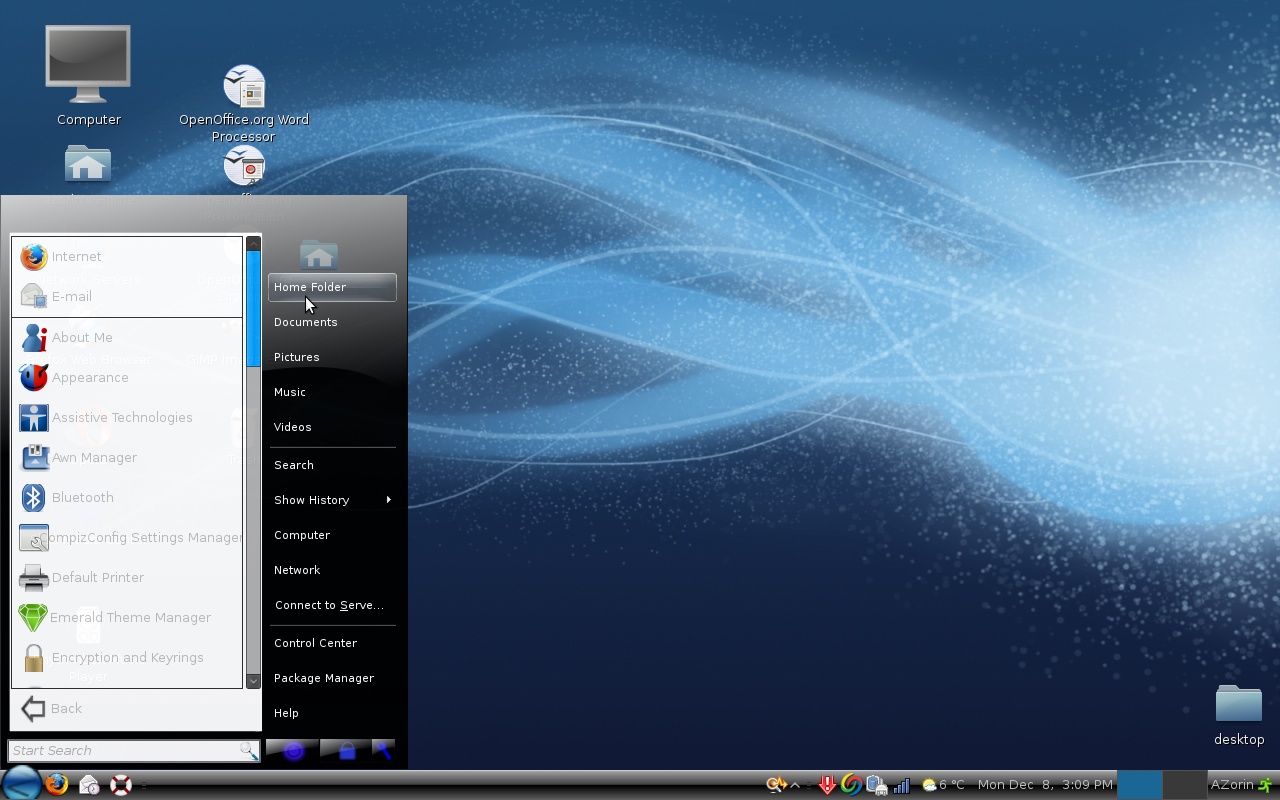
Download Zorin OS 10 Core There are couples of ways through which you can initiate the install of this OS. (a) Download Zorin OS and burn it to DVD/USB drive and boot your system using this DVD/USB. (b) Create Virtual machine on your current operating system using tools like Oracle Virtual Box and. You want to install Ubuntu on your Windows computer, don't you? The thing is, you're not 100% certain, yet. Fortunately, there are many ways in which you can try. By using UNetBootin you can make a bootable USB stick. Install Linux from USB Device. For installation, you need to have Zorin OS in the DVD or a bootable Pendrive. Bhula dena muje female ringtone download. At least 8GB free space is enough for installation. After booting Zorin OS, Installation screen appears, select your language. Select install Zorin.
Above you can see the logo for UNetBootIn. We will need some software to actually extract the operating system onto the flash drive. You've got a bunch of options out there- here are my favorites based on the ones I've tried.
These are both Open Source tools that will allow for the extraction of the data onto the USB drive. UNetBootin Works on: Linux, Windows, Mac This one is my favorite. It is simple and easy to use, and allows you to download from a drop-down list rather than browsing and downloading the software online (although you can do this as well, if you want). I have only tested it on Linux. However, it is a much larger and better developed tool, and is actually a default program on some Linux flavors.
The Sourceforge page for this project can be found YUMI (Your Universal Multiboot Installer) Works on: Windows, claims to work on Linux but I can't get it to work. This one has a lot of the same features UNetBootin has, but it allows you to have more than one OS on a flash drive, which I really like. However, the Linux version doesn't seem to work on my Ubuntu (a type of Linux) laptop, so it doesn't seem to work for Linux. I have tested it on Windows and found it to work well.

The website for this can be found Linux Live USB (AKA LiLi) This is another great tool worth considering. It was recommended by, and seems to be a very efficient and easy to use alternative to the software I've listed. Quick and easy, it has a lot of great resources, like a list of their (although I have a list later for those searching), and a lot of other great features. Their official webpage can be found. Step 3: Let's Pick an Operating System! The photo above is the logos of the three most popular Linux distributions available: Linux Mint, Ubuntu, and Debian.
So, in order to run an operating system, we need to know which one to use. If you have one, skip this step (or don't, whatever). I grabbed the list of 3 of the some of the most popular Linux flavors, as determined by DistroWatch. A link to that list. 1) Linux Mint This is one I've wanted to try for a while, so it's one of the systems you'll see me add.
It features a clean desktop, and is designed to be a more compatible version of Ubuntu. It works right out of the box with many features pre-installed, so there is little setup necessary. The official webpage for this project can be found. 2) Ubuntu This is the Linux flavor that I mostly use and am familiar with. It has a large amount of compatible software and a sleek, modern looking interface. It has a large number of tools pre-installed, but you'll find the rest very easy to install through the Ubuntu Software Center, a sort of App Store featuring thousands of compatible softwares.